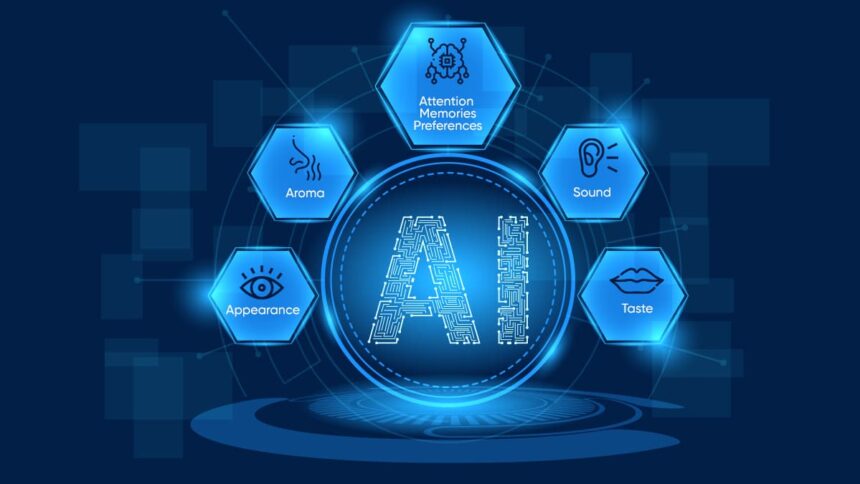
Artificial Intelligence is no longer limited to understanding text or numbers. The next major leap in AI evolution is multimodal intelligence—systems that can understand, process, and generate multiple forms of data at the same time. Text, images, audio, and video are no longer treated separately. They work together to create richer, more human-like digital experiences.
- What Multimodal AI Really Means
- Why Multimodal AI Is a Breakthrough, Not Just an Upgrade
- How Multimodal AI Is Transforming Customer Experience
- Multimodal AI in Marketing and Brand Storytelling
- Search, Discovery, and Multimodal AI
- Multimodal AI in Education and Learning Experiences
- Business Operations and Multimodal Intelligence
- Challenges of Multimodal AI Adoption
- How Businesses Can Prepare for Multimodal AI
- The Future of Multimodal AI Experiences
- Frequently Asked Questions
Multimodal AI is reshaping how people interact with technology and how businesses design products, marketing, and customer experiences.
What Multimodal AI Really Means
Multimodal AI refers to AI systems that can interpret and combine different types of input such as written language, visuals, speech, and motion. Instead of relying on a single data format, these systems understand context across multiple channels.
For example, a multimodal AI can analyze a product image, understand a spoken question about it, and generate a helpful text or video response. This ability makes interactions more natural and closer to how humans communicate.
Why Multimodal AI Is a Breakthrough, Not Just an Upgrade
Traditional AI systems were powerful but limited. A text-based AI could not see images. An image recognition system could not understand spoken intent. Multimodal AI removes these barriers.
This breakthrough allows businesses to create unified experiences across platforms. Customers can search using voice, images, or text and receive consistent, accurate responses. The result is better engagement, higher satisfaction, and stronger brand trust.
Multimodal AI is not just faster—it is more intuitive.
How Multimodal AI Is Transforming Customer Experience
Customer experience is becoming more interactive and personalized. Multimodal AI enables businesses to respond to customers in the format they prefer.
A user can upload a photo of a product issue, explain it verbally, and receive a step-by-step video solution generated by AI. This reduces frustration and improves resolution speed.
Support systems powered by multimodal AI understand emotion, tone, and context better than text-only systems, making interactions feel more human.
Multimodal AI in Marketing and Brand Storytelling
Marketing is no longer limited to written content. Multimodal AI allows brands to create campaigns that combine visuals, voice, and storytelling seamlessly.
AI analyzes how users interact with videos, images, and audio to optimize messaging. This results in highly personalized campaigns across platforms.
Content teams increasingly rely on automated content creation to support multimodal strategies. Tools
help businesses create structured text content that aligns with visuals, videos, and voice-based experiences, making campaigns consistent and scalable.
Search, Discovery, and Multimodal AI
Search behavior is changing rapidly. Users now search using images, voice commands, and conversational queries. Multimodal AI powers this evolution by understanding intent across formats.
Businesses that want to remain discoverable must optimize content beyond text. Visual clarity, contextual relevance, and structured information all matter.
For location-based discovery, combining multimodal strategies with professional local SEO services is crucial. Platforms
help businesses optimize local visibility across maps, voice search, and AI-driven discovery systems.
Multimodal AI in Education and Learning Experiences
Education is becoming more interactive thanks to multimodal AI. Learners engage better when information is delivered through a combination of text, visuals, audio explanations, and interactive elements.
AI tutors can explain concepts using diagrams, spoken guidance, and written summaries simultaneously. This adaptive learning approach improves comprehension and retention across different learning styles.
Multimodal AI is making education more accessible and inclusive worldwide.
Business Operations and Multimodal Intelligence
Multimodal AI is also improving internal operations. Businesses use it to analyze video footage, voice interactions, and written reports together to gain deeper insights.
For example, AI can evaluate customer service calls by analyzing tone, language, and sentiment while also reviewing chat logs and feedback forms. This holistic view leads to better training, quality control, and performance optimization.
Challenges of Multimodal AI Adoption
Despite its advantages, multimodal AI introduces complexity. Integrating multiple data types requires strong infrastructure and clean data pipelines.
Privacy and ethical concerns also increase, especially when handling voice and visual data. Businesses must ensure transparency, consent, and responsible data usage.
Multimodal AI works best when combined with clear goals and human oversight.
How Businesses Can Prepare for Multimodal AI
The first step is understanding customer behavior across channels. Businesses should identify where users interact through text, voice, images, or video.
Investing in structured content, clean data, and scalable systems is essential. Combining multimodal capabilities with automated content creation ensures consistency across formats.
When paired with strong local SEO services, multimodal AI helps businesses stay visible wherever and however users search.
The Future of Multimodal AI Experiences
Multimodal AI is moving toward fully immersive experiences. Future systems will understand environment, emotion, and intent in real time.
Digital assistants will see, hear, and respond like humans. Brands that adopt multimodal AI early will deliver more engaging, intuitive, and trustworthy experiences.
This evolution will not replace human creativity—it will amplify it.
Frequently Asked Questions
Is multimodal AI only for large tech companies?
No. Multimodal capabilities are becoming accessible to businesses of all sizes through AI platforms and tools.
How does automated content creation support multimodal AI?
Automated content creation provides structured text that integrates easily with images, audio, and video experiences.
Does multimodal AI improve SEO and discovery?
Yes. It supports voice search, image search, and conversational discovery, especially when combined with local SEO services.
Is multimodal AI safe to use?
Yes, when implemented responsibly with proper data privacy and human oversight.